
28/10/2026
Going Live In:
Day(s)
:
Hour(s)
:
Minute(s)
:
Second(s)
What will be covered?
Discover how shortwave UV imaging and practical forensic workflows can reveal, photograph and enhance latent fingerprints on challenging surfaces, before powders or chemical processing are applied.
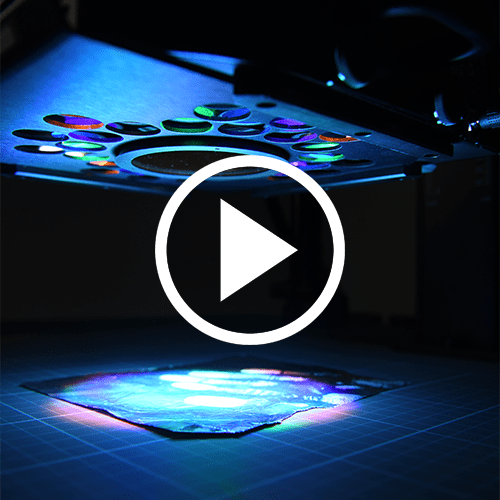
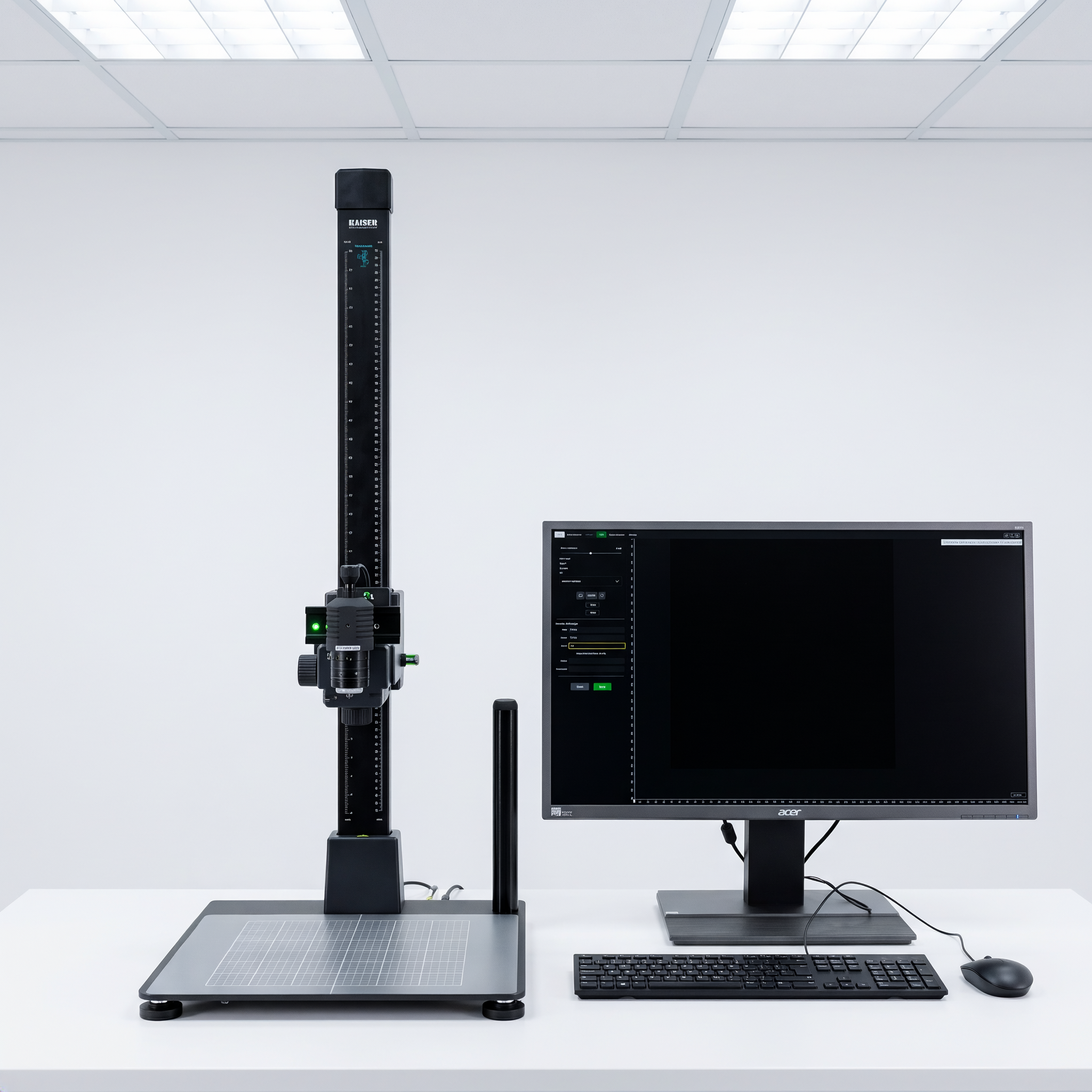
Latent fingerprints can be difficult to visualise when they are deposited on patterned, multicoloured, reflective or otherwise challenging surfaces. This webinar will explore how DCS 6 RUVIS uses reflected ultraviolet imaging to improve fingerprint contrast and reduce background interference, supporting the visualisation and photographic capture of untreated and minimally processed fingermarks. Shortwave reflected UV photography uses a UV-sensitive camera to record the interaction between ultraviolet light and the examined surface, revealing ridge detail and contrast that may not be visible under conventional lighting.
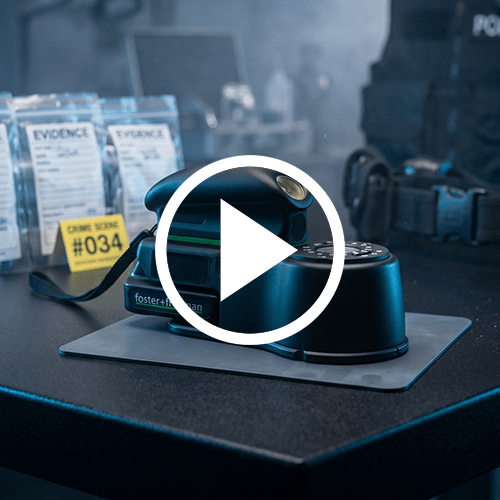
Through live demonstrations and real-world examples, our application specialists will present a practical workflow for moving from the initial examination of an exhibit to the capture of a clear, usable fingerprint image. Attendees will see how a dedicated shortwave UV camera, specialist optics and 280 nm illumination can be used to examine latent fingerprints without physically contacting the surface. The session will also consider how illumination angle and positioning can be adjus
ted to maximise UV scattering and reveal additional detail.
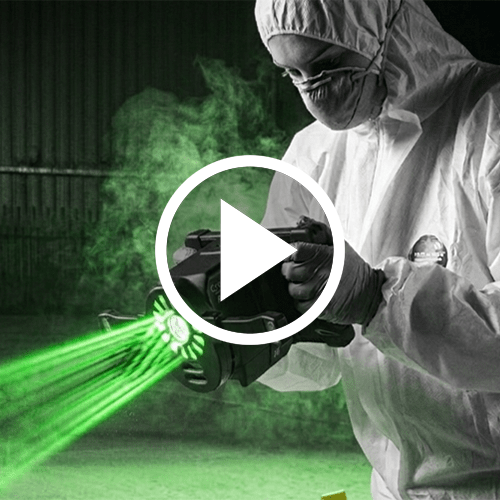
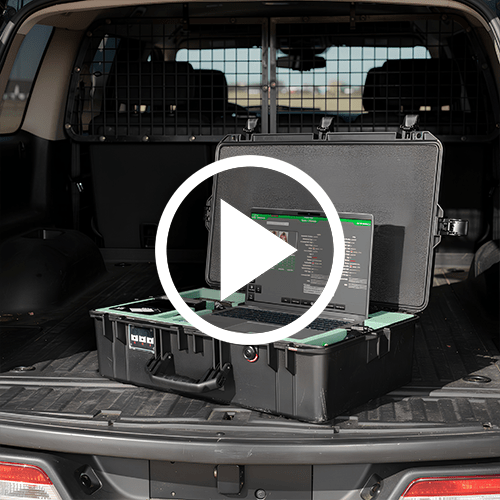
The webinar will place RUVIS within the wider DCS 6 visualise, capture and enhance workflow. Alongside reflected UV imaging, DCS 6 provides multispectral illumination and dedicated camera systems for examining latent, dusted, fumed and chemically treated fingermarks. Its software includes post-capture tools for suppressing distracting backgrounds and improving the visibility of ridge detail. Practical guidance will cover appropriate laboratory workflows, considerations for evidence encountered by field and crime scene teams, and the safe integration of shortwave UV into established operating procedures. The session will conclude with a live Q&A, giving attendees the opportunity to discuss applications, surfaces and workflow challenges directly with forensic application specialists
Don’t miss out…
Never Miss a Webinar
Sign up to our mailing list today and be the first to hear about our upcoming webinars and much more.