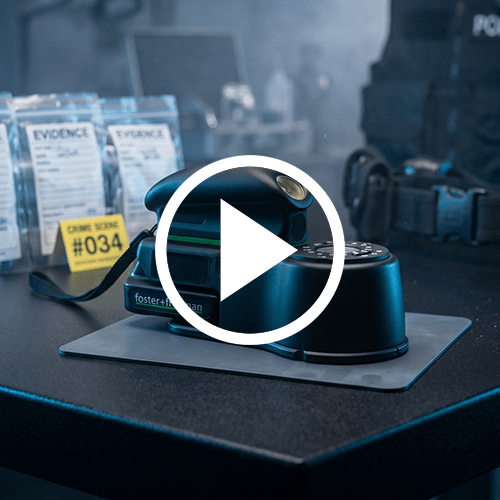
University of Copenhagen Study Examines Bruise Documentation with Crime-lite® AUTO
Accurate bruise documentation remains a critical component of forensic investigations. In cases involving assault, abuse, unexplained injury, or suspected violence, the ability to accurately record the appearance, size and location of bruising can play an important role in medico-legal assessment. However, bruise documentation is often influenced by lighting conditions, image capture techniques, and the subjective interpretation of photographic evidence.
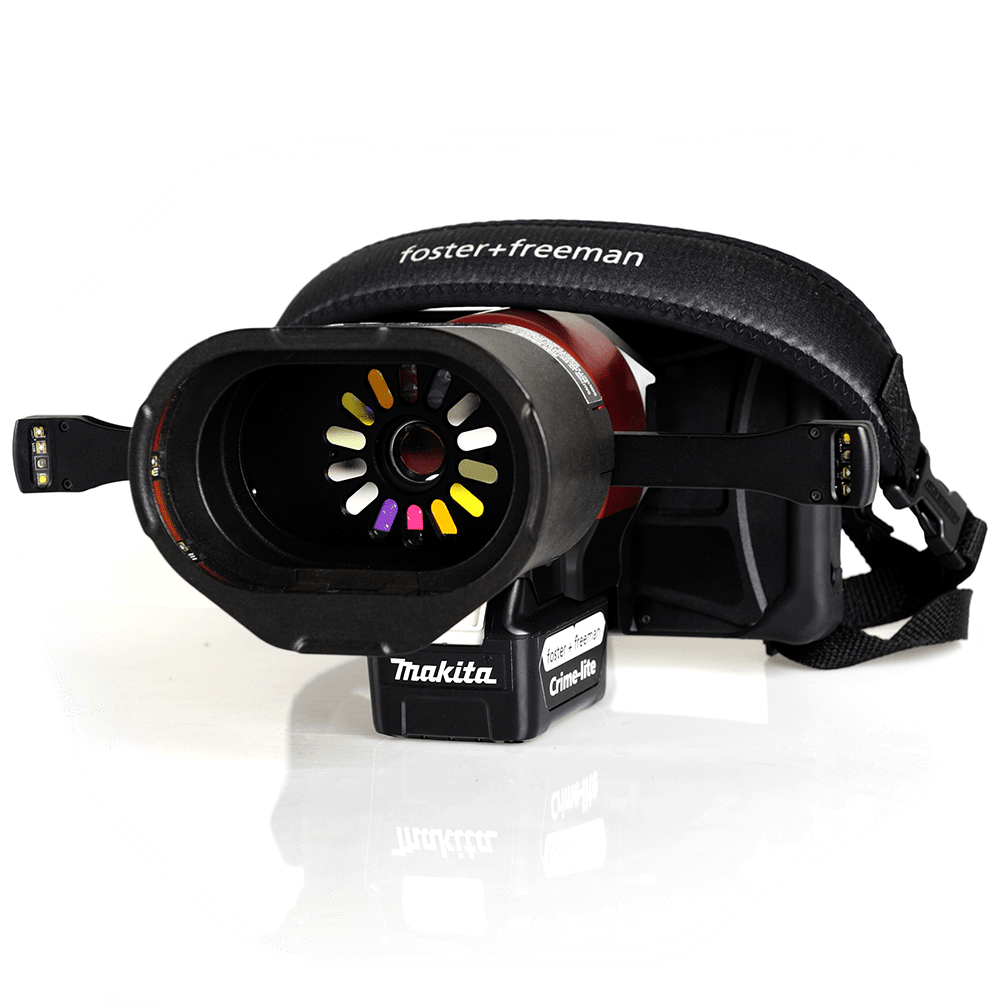
A recently published study in the Journal of Forensic Sciences examined whether alternate light source (ALS) imaging could assist bruise documentation under routine autopsy conditions. Conducted by researchers from the Department of Forensic Medicine at the University of Copenhagen, the study evaluated 161 bruises on deceased individuals using foster+freeman’s Crime-lite® AUTO forensic imaging system.
The research is particularly noteworthy because it investigated ALS performance under normal illuminated autopsy room conditions rather than darkened laboratory environments that have been commonly used in previous studies.
Study Design
The researchers documented 161 bruises identified during forensic autopsies, including 99 classified as recent bruises and 62 classified as non-recent. All images were captured using the Crime-lite® AUTO system under four imaging configurations:
- Common White Light (CWL)
- Violet ALS with a 415 nm Long-Pass Filter (VLP)
- Violet ALS with a 415 nm Band-Pass Filter (VBP)
- Blue ALS with a 445 nm Long-Pass Filter (BLP)
The study was specifically designed to reflect real-world autopsy workflows. Images were acquired in normally illuminated autopsy rooms, where standard ceiling lighting remained active throughout the documentation process. Researchers noted that darkening autopsy facilities is often impractical because multiple examinations may occur simultaneously and sufficient lighting is necessary for safety and operational reasons
Throughout the study, Crime-lite® AUTO was used for image capture and documentation. The system enabled standardised acquisition under common white light and multiple alternate light source configurations using integrated illumination and imaging capabilities. Researchers photographed each bruise with a metric scale and colour reference before assessing both visibility and measured surface area
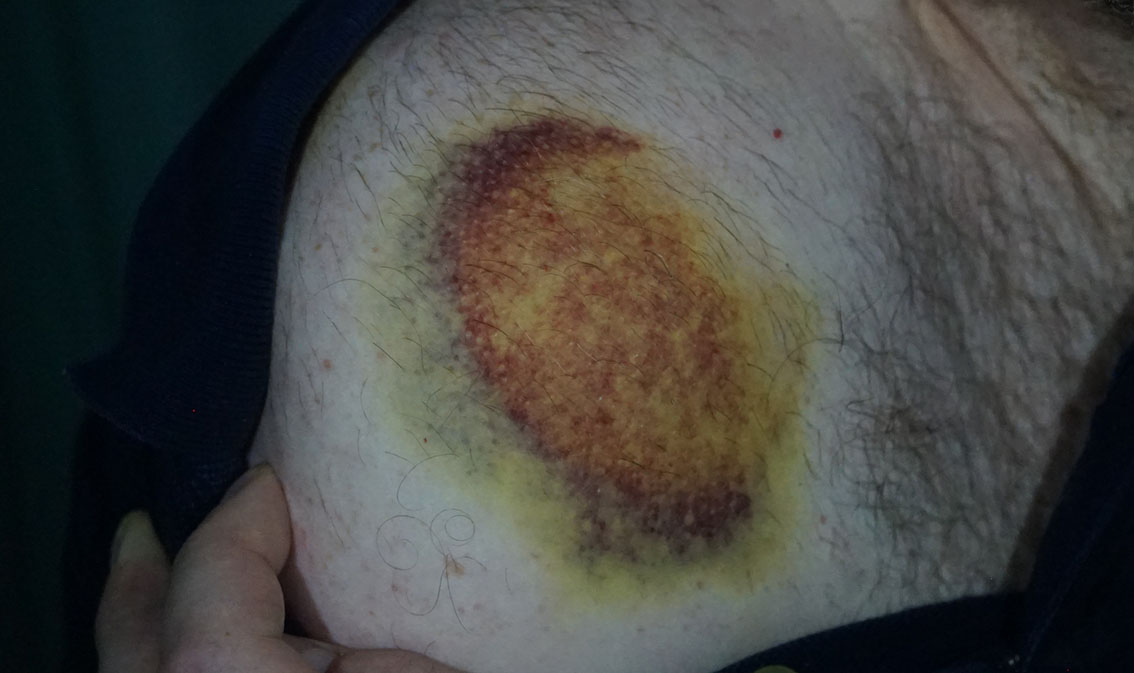
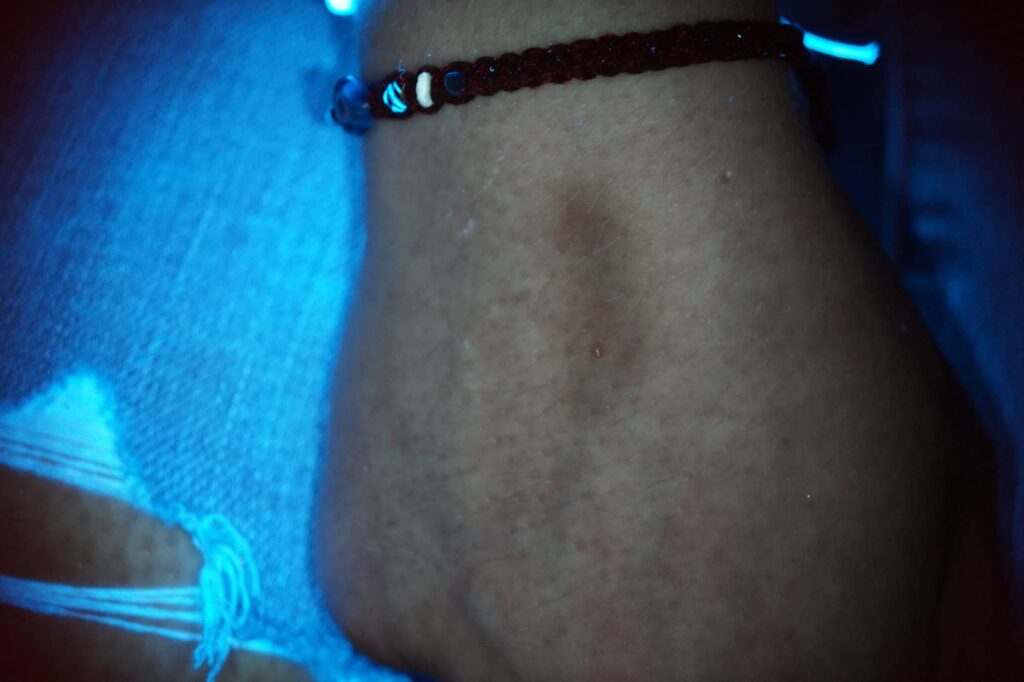
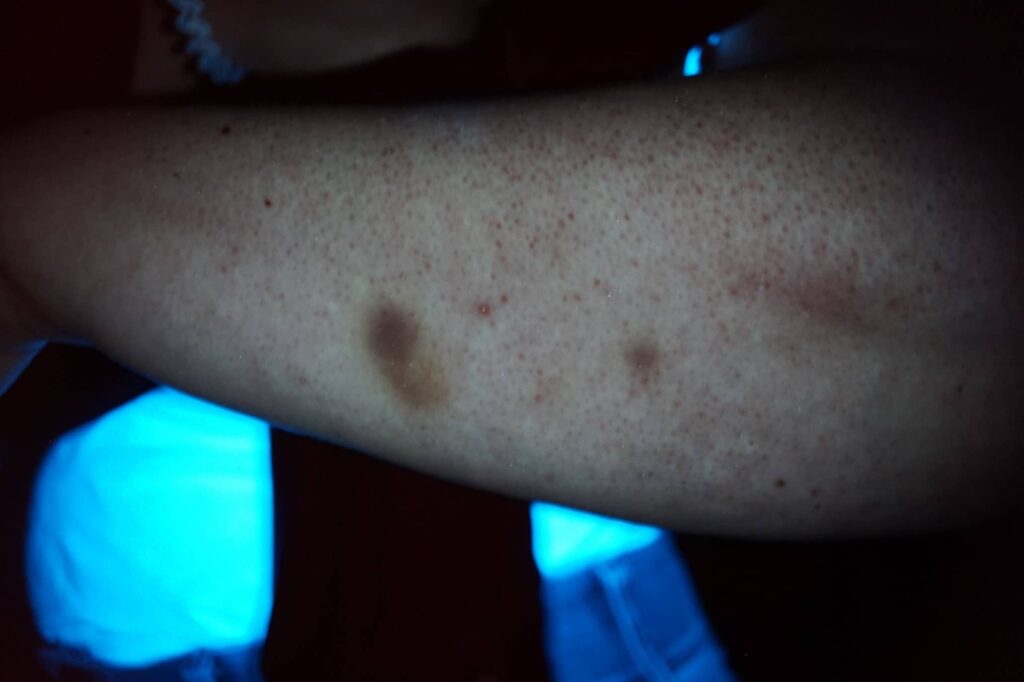
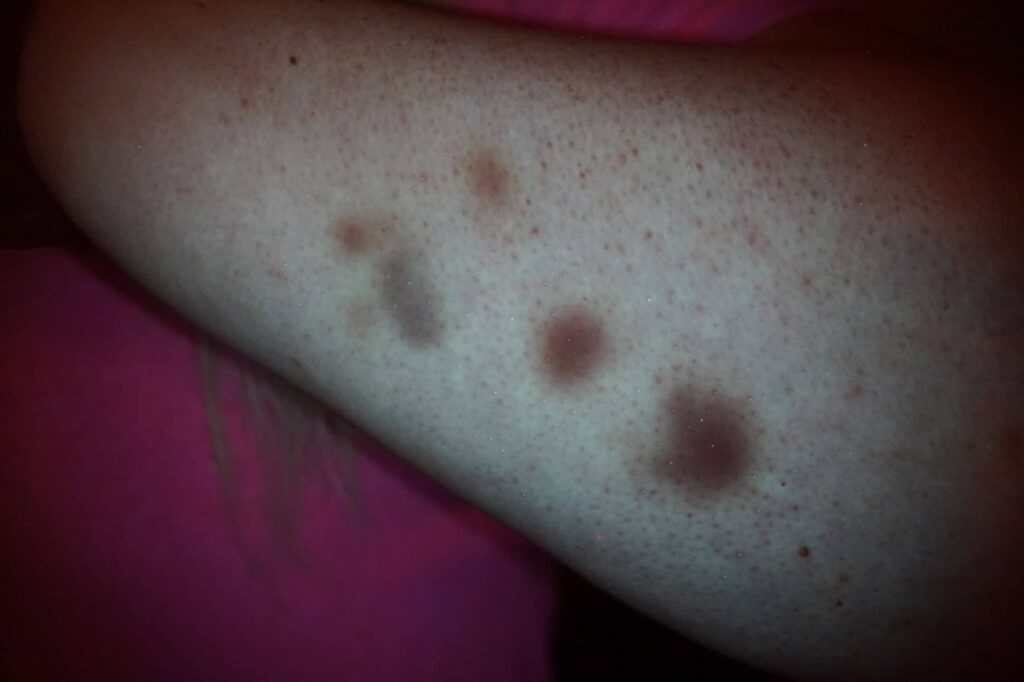
The findings offer nuanced insights into light-tissue interactions in forensic pathology. According to the study’s modified Bruise Visibility Scale (BVS) assessments, ALS did not statistically enhance overall bruise visibility compared to CWL in a fully illuminated room
However, when researchers objectively measured the surface area of the documented bruises, a significant distinction emerged. The surface area measurements indicated that the VLP filter visualized bruises with significantly larger dimensions than those documented under CWL
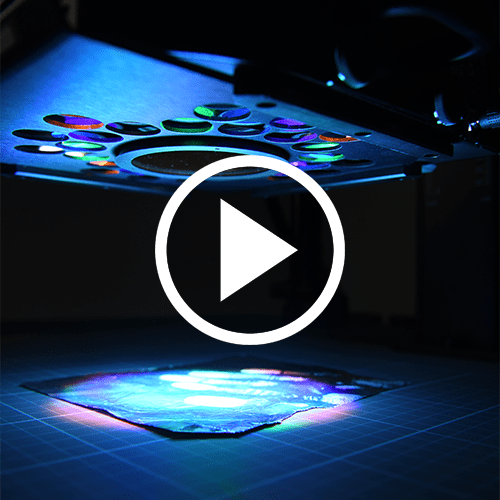
Throughout the study, the Crime-lite® AUTO provided the necessary technological foundation to conduct these comparative assessments. The portable system integrates a 20-megapixel high-resolution digital camera with multi-spectral ultraviolet, visible, and infrared illumination capabilities
Independent, peer-reviewed research is vital for the continued advancement of forensic imaging technologies. By rigorously testing equipment in real-world scenarios, the scientific community can establish evidence-based best practices that directly inform investigative procedures. The University of Copenhagen study underscores the importance of objective surface area measurements alongside subjective visibility scales, indicating that ALS, particularly VLP, may offer potential utility for comprehensive bruise documentation
As forensic pathology continues to evolve, ongoing research will remain essential to fully understand how light interacts with extravasated blood beneath the skin
Crime-lite® AUTO
Detect more evidence using the all-in-one forensic search tool
LEARN MORE
Combining advanced forensic imaging technology with high-intensity multi-spectral illumination, the Crime-lite AUTO is a complete solution to the search, detection, and capture of evidence.
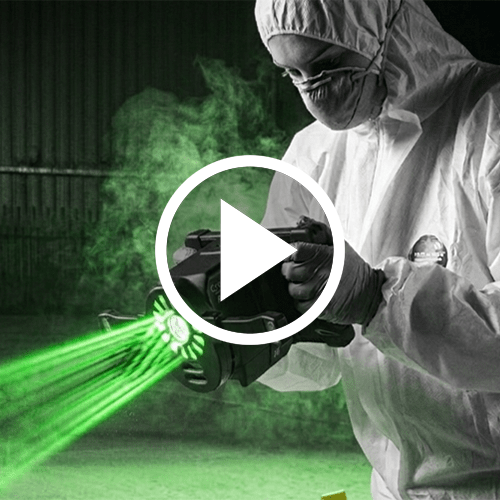
Operated via a simple touchscreen interface, with intelligent filter selection, the Crime-lite AUTO can reveal evidence including fingermarks, body fluids (semen, saliva, and urine, etc.); blood on dark fabrics; fingerprints; gunshot residues; and traces of physical evidence (glass, fibres, hairs, etc.)
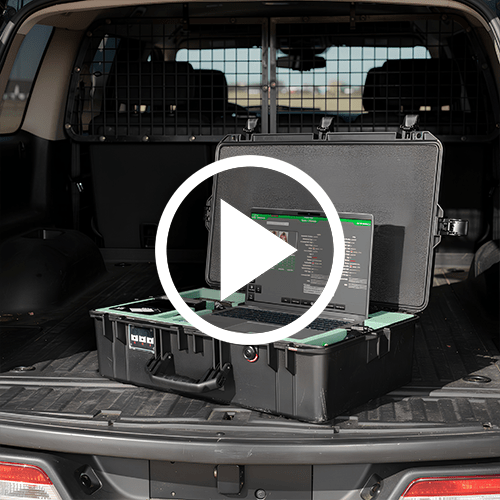
- A complete, compact forensic search tool
- All-in-one integrated lights, camera and filters
- Real-time visible, fluorescent, and IR examinations
- Search Beyond the Visible to detect every trace
- Optional laboratory docking system