MODULAR TRACE EVIDENCE EXAMINATION
A Modular System for Trace Evidence Examination
ffTATM
Built Around a Leica Laboratory Microscope
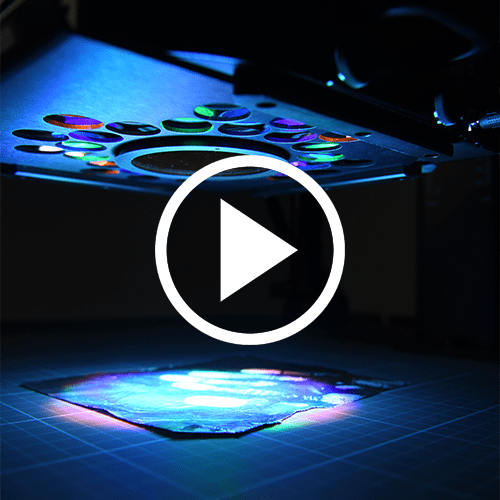
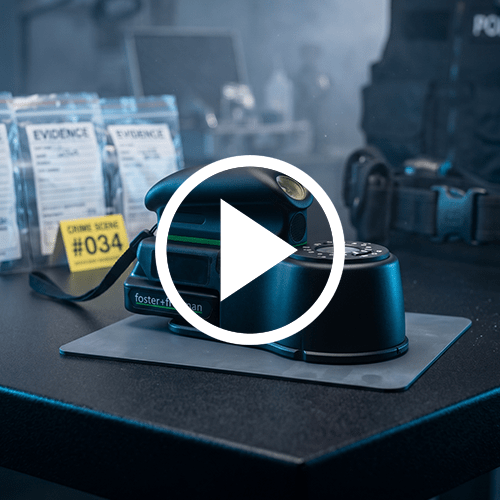
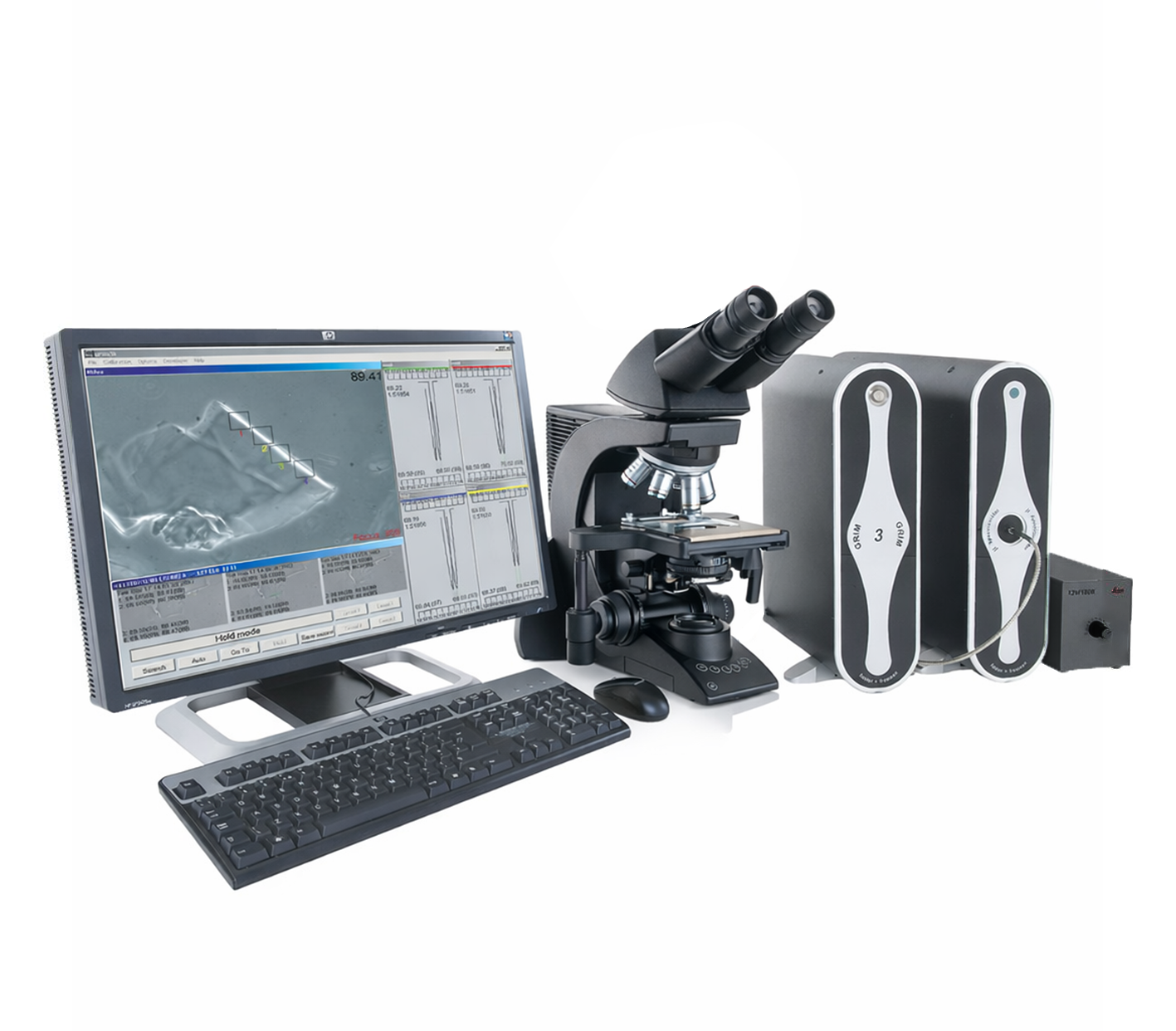
The ffTA is a powerful and flexible multi-functional system that provides the crime laboratory with a range of analytical facilities on a single microscope operated through a single PC. By switching from module to module the operator is able to perform a wide range of analytical tasks to extract the maximum amount of forensic evidence in the shortest possible time.
Built around the Leica DM2700M laboratory microscope with high power LED illumination, the ffTA is a unique modular system that enables the user to add functions to meet specific laboratory requirements. Using an optical multiplexer the operator simply switches the image from one module to another.
Modules & Features
The modular nature of the ffTA system makes it ideal for a wide range of applications.
Browse the ffTA modules below to find out more:
GRIM®3
glass RI Measurement
Light polarisation
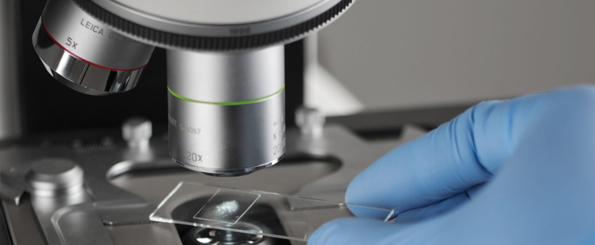
The ffTA GRIM® system can be used to identify and group fragments of glass through the determination of a samples refractive index using the standard oil immersion/temperature variation technique.
More Info
Using GRIM®, repeat measurements produce results with a standard deviation of, typically, 0.00002RI over a 5 hour period and 0.00003RI over a 5 day period.
The system can monitor up to four glass fragment edges per operation, speeding the casework examination process, giving improved statistical accuracy and reducing calibration time.
Casework measurements are filed, password protected, with the essential information that identifies each fragment of glass examined, including for example its source, casework reference, and operator identity. Basic statistics are generated including average, range, spread and standard deviation. Results may be displayed as scatter diagrams and formatted for exportation to Microsoft Office for additional analysis.
Features
- Multiple edge measurements
- Calibration
- Enhanced casework documentation
- High level of temperature stability and accuracy
Additional Applications
- Anatomical pathology, diagnosis through live cell imaging
- Inspection of agricultural material
- Inspection of circuit lead bonds
Glass Fragment Analyser
Now supplied as standard with the ffTA GRIM®3, that provides an interpretation tool to assist forensic experts in evaluating the results of glass RI measurements. The software includes two grouping algorithms and two match test options providing the examiner with the flexibility to select the most appropriate approach for their lab’s quality requirements.
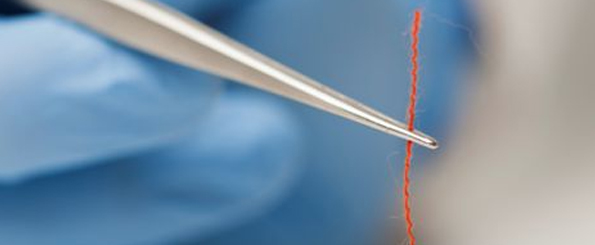
A module primarily used for the identification of fibres by the measurement of their cross polar birefringence.
In addition, the ffTA Polarised Light Module can be used for the identification of chemical crystals (e.g. caffeine) rocks and minerals.
More Info
Consisting of a pair of polarizers, a retardation plate, and a 360-degree circular rotating specimen stage with Vernier scales, this module enables birefringence to be measured to an accuracy of 0.1 degrees.
Applications include
- Detect fibres, crystals, and soil etc.
- Identify natural and synthetic fibres
- Toxicology and drug analysis