DCS APPLICATIONS //
Enhancing Fingermark Visualisation: The Power of Shortwave Reflected UV Imaging (RUVIS)
Background
Introduction
Shortwave Reflected Ultraviolet Imaging (RUVIS) is a cutting-edge technique used for the detection of latent and cyanoacrylate-fumed fingermarks on a wide range of surfaces, including those that are patterned or multi-coloured. By utilising shortwave UV light at 280nm, RUVIS provides immediate, high-contrast images by visualising differences in how light is reflected or absorbed by a surface rather than inducing fluorescence.
The Science Behind RUVIS
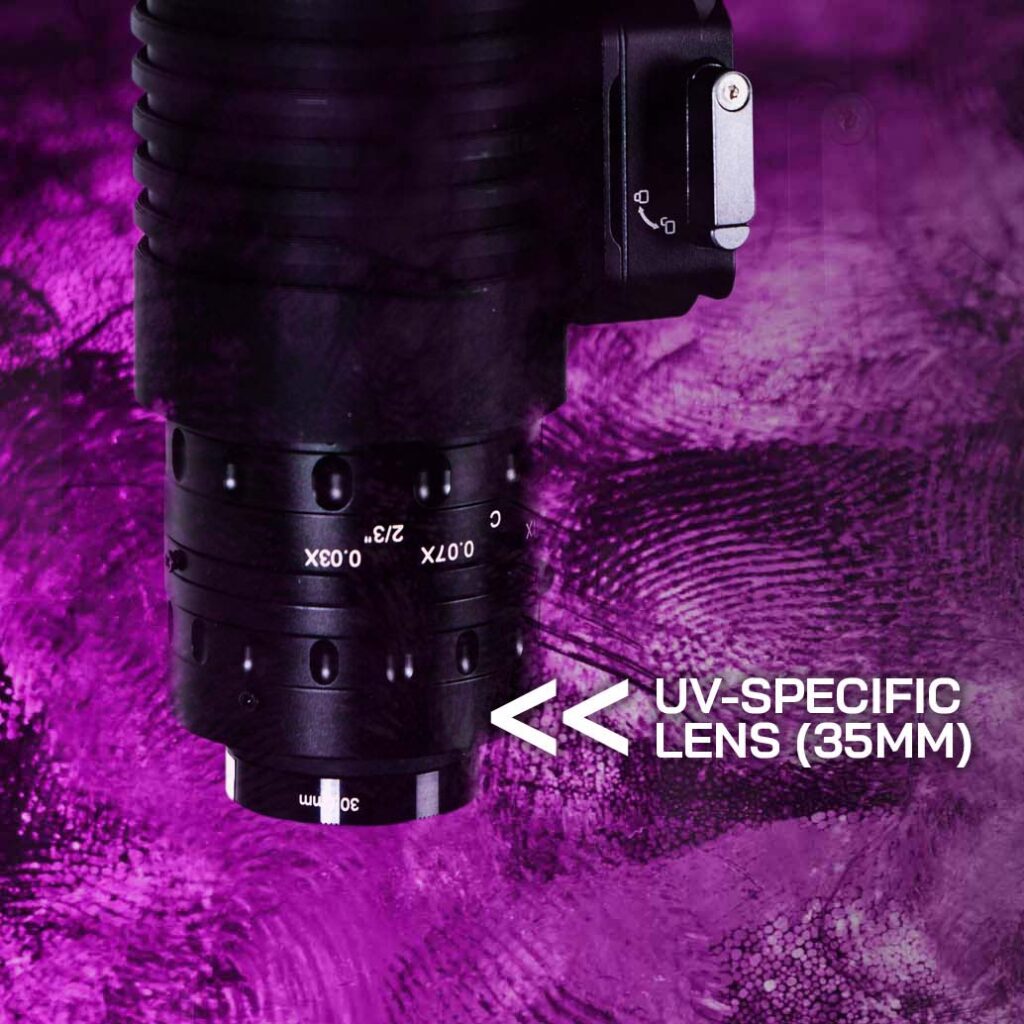
While UV light is traditionally used to induce fluorescence, RUVIS works differently. It photographs how shortwave UV light (at 280nm) is reflected or absorbed by a surface. This provides an immediate, high-contrast image, allowing for the rapid detection and capture of fingermarks, even on challenging surfaces.
Using a UV sensitive camera with a UV bandpass filter blocks emitted fluorescence. This allows the camera to visualise differences in the absorption and reflection of UV light instead.
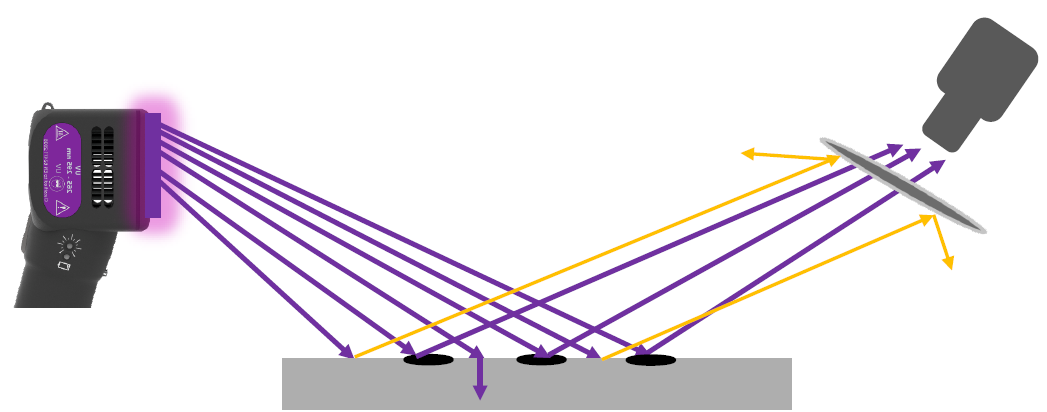
The resulting image will differ from what we see visibly, as our eyes cannot perceive the 280nm shortwave UV light. Many surfaces that emit visible fluorescence will absorb shortwave UV light, appearing as plain backgrounds in the images. This eliminates the visual interference we would otherwise see.
Fingermark Photography Without Chemical Processing
RUVIS can detect both latent and cyanoacrylate-fumed fingermarks on almost any non-porous or semi-porous surface.
The system reduces or eliminates the need for chemical staining which is time-consuming and can damage ridge detail. In many cases, it allows fingermarks to be visualised and photographed without powders or dyes.
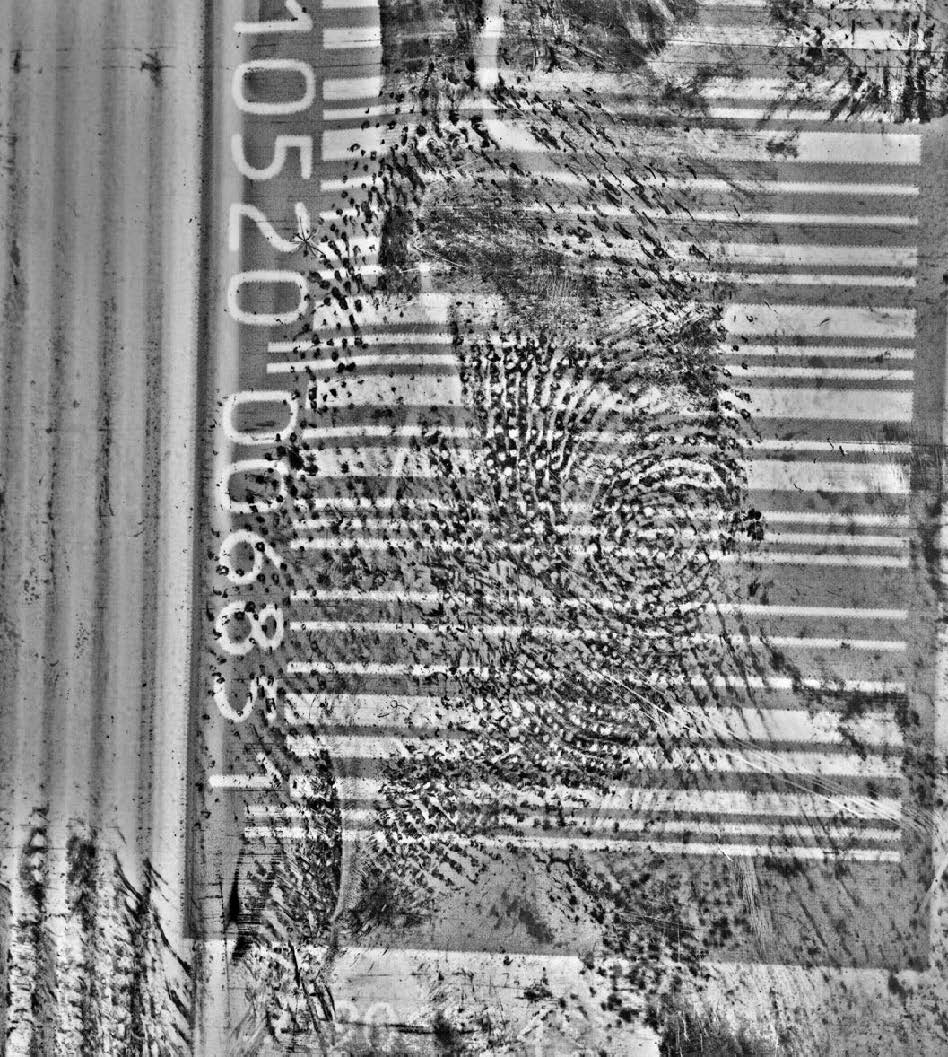
When illuminated with shortwave UV light, many surfaces appear dark and background printing disappears. This creates a stark contrast between the fingermark residue and the background. The result is a clear, high-quality image, captured quickly and without risk to the evidence.
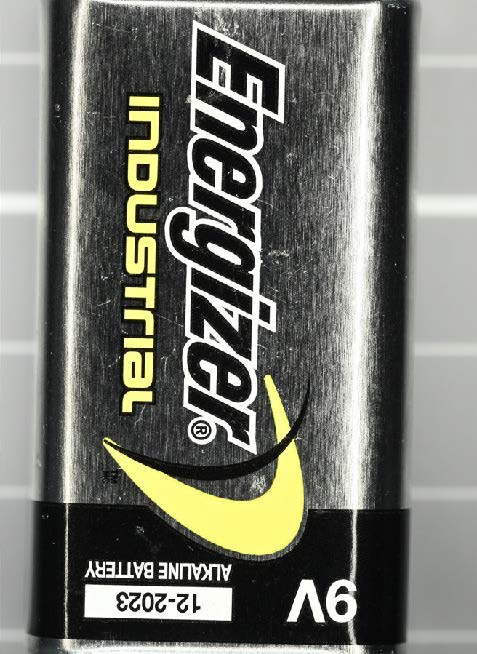
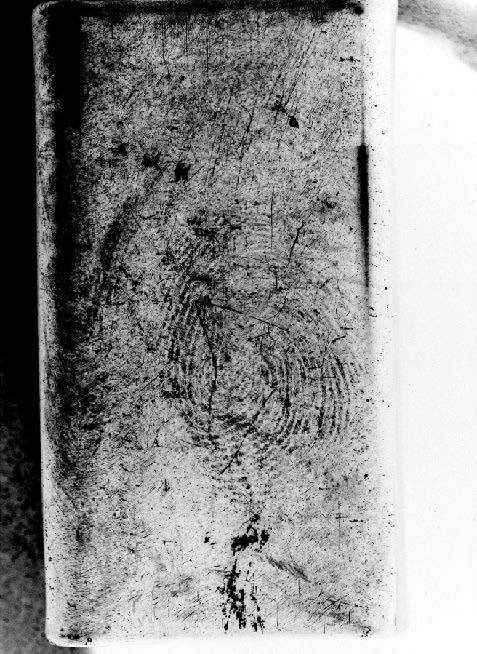
A latent fingermark, not visible under white light, becomes clearly visible with RUVIS.
The entire mark can then be photographed without chemical development.

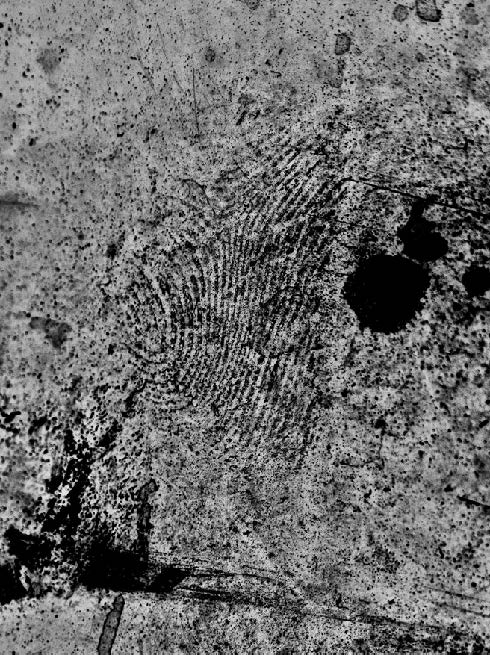
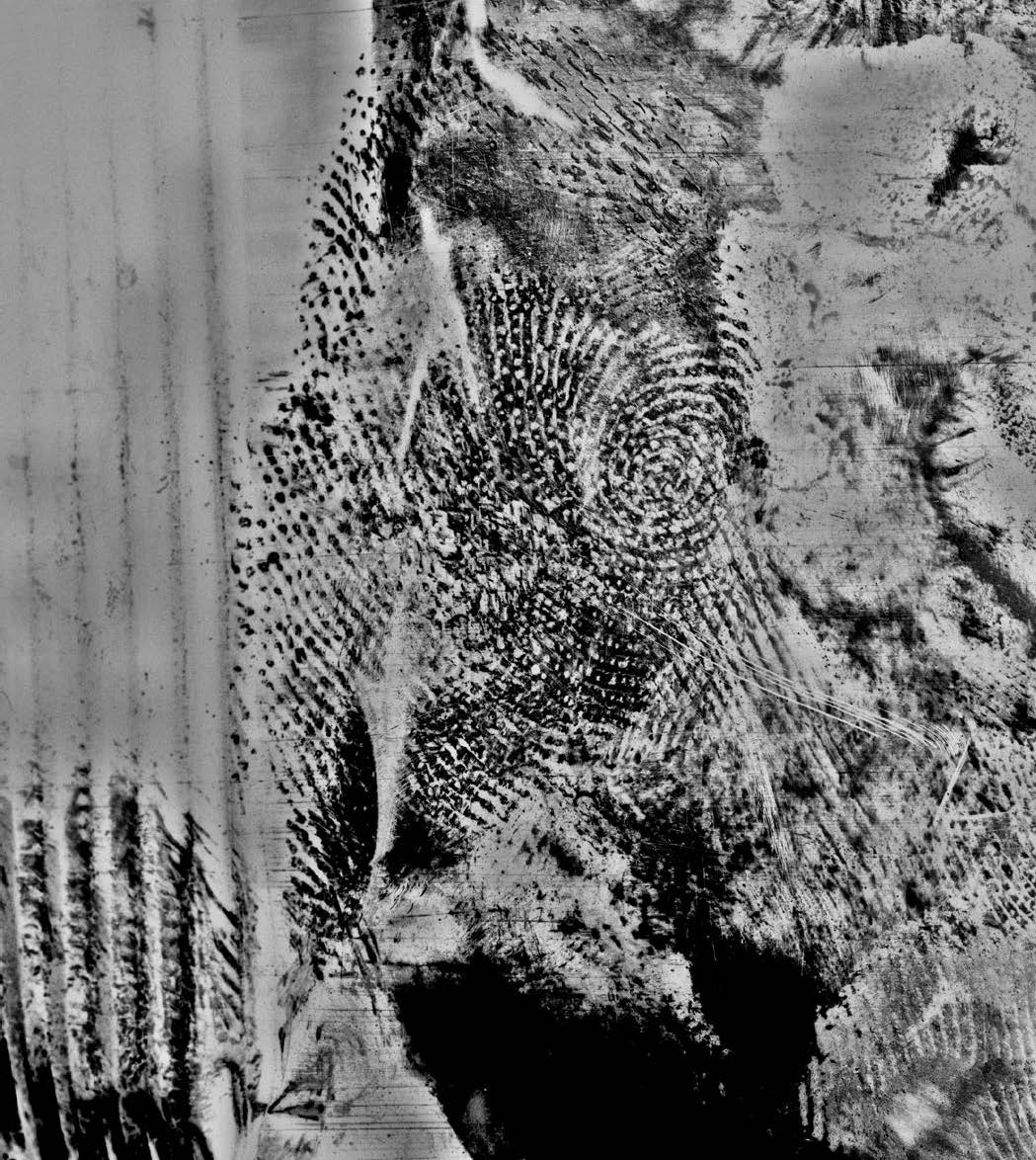
This type of surface is particularly challenging due to low contrast. Typically, mark recovery would require cyanoacrylate fuming and dye staining.
However, RUVIS allows for the direct visualisation of ridge detail, potentially eliminating the need for chemical processing.
Key Benefits of RUVIS Technology
Applications in Forensic Examination
Cyanoacrylate Fumed Fingermarks
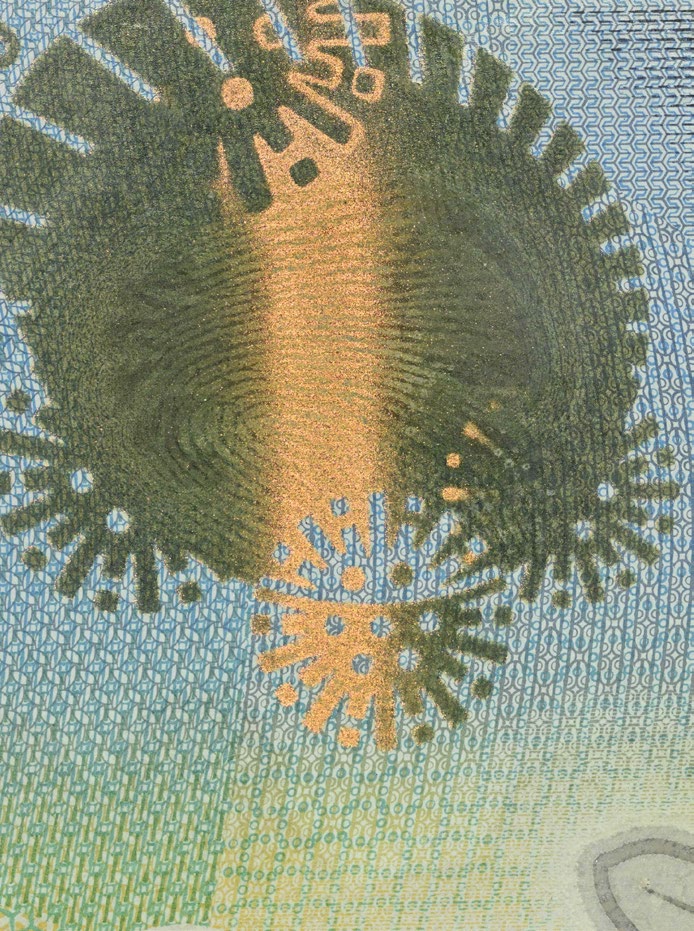
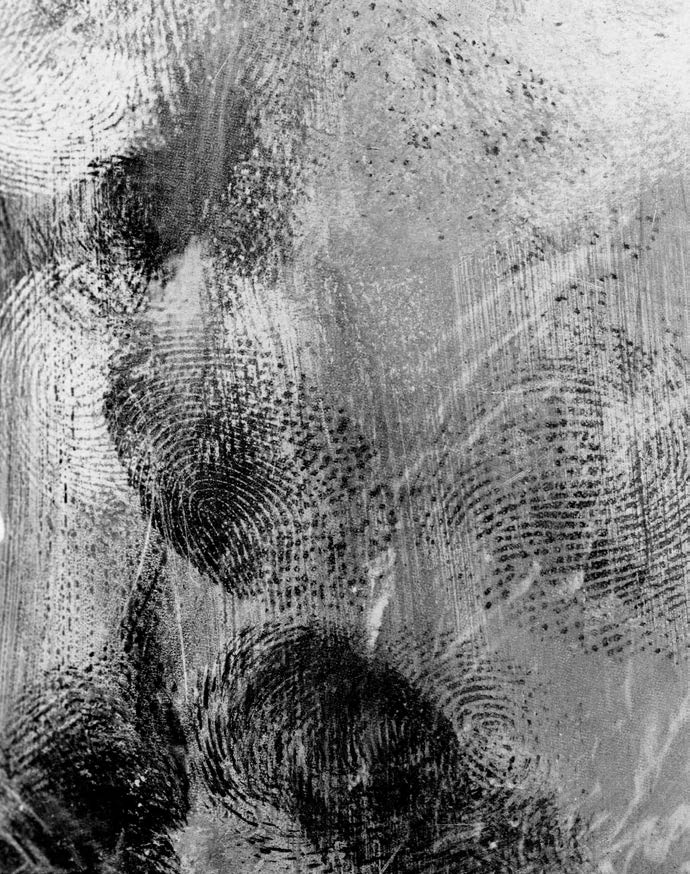
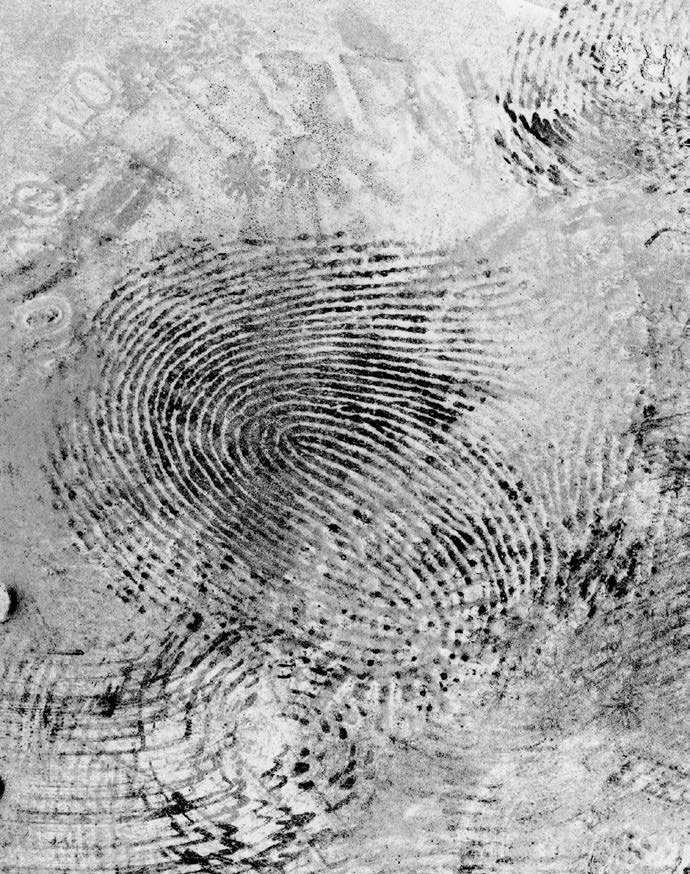
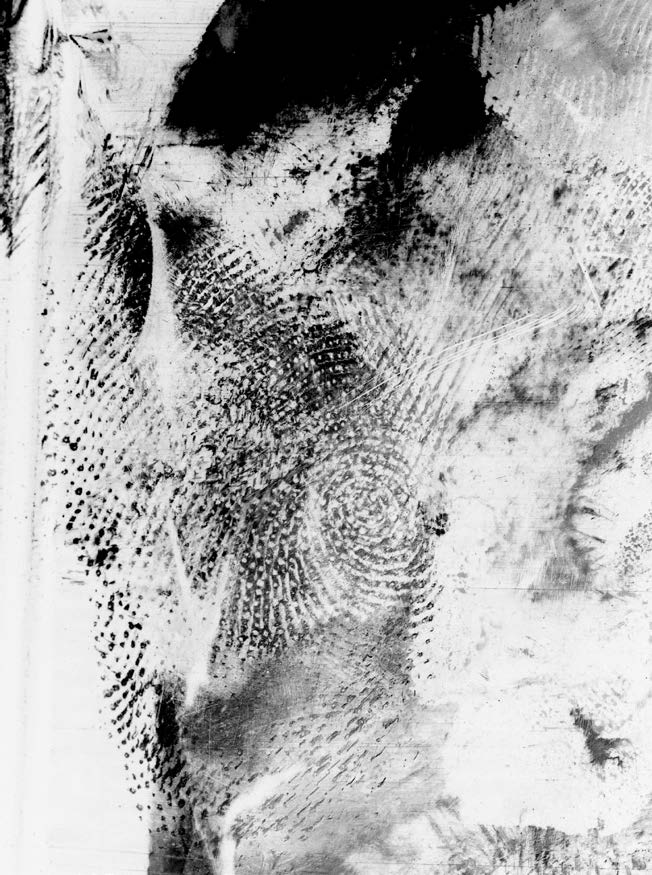
Traditionally, fumed marks require fluorescent dye stains to stand out. RUVIS simplifies this workflow by revealing high-contrast fingermarks while suppressing complex backgrounds, such as those found on drinks cans, polymer currency, and plastic packaging.


Longwave UV Reflection
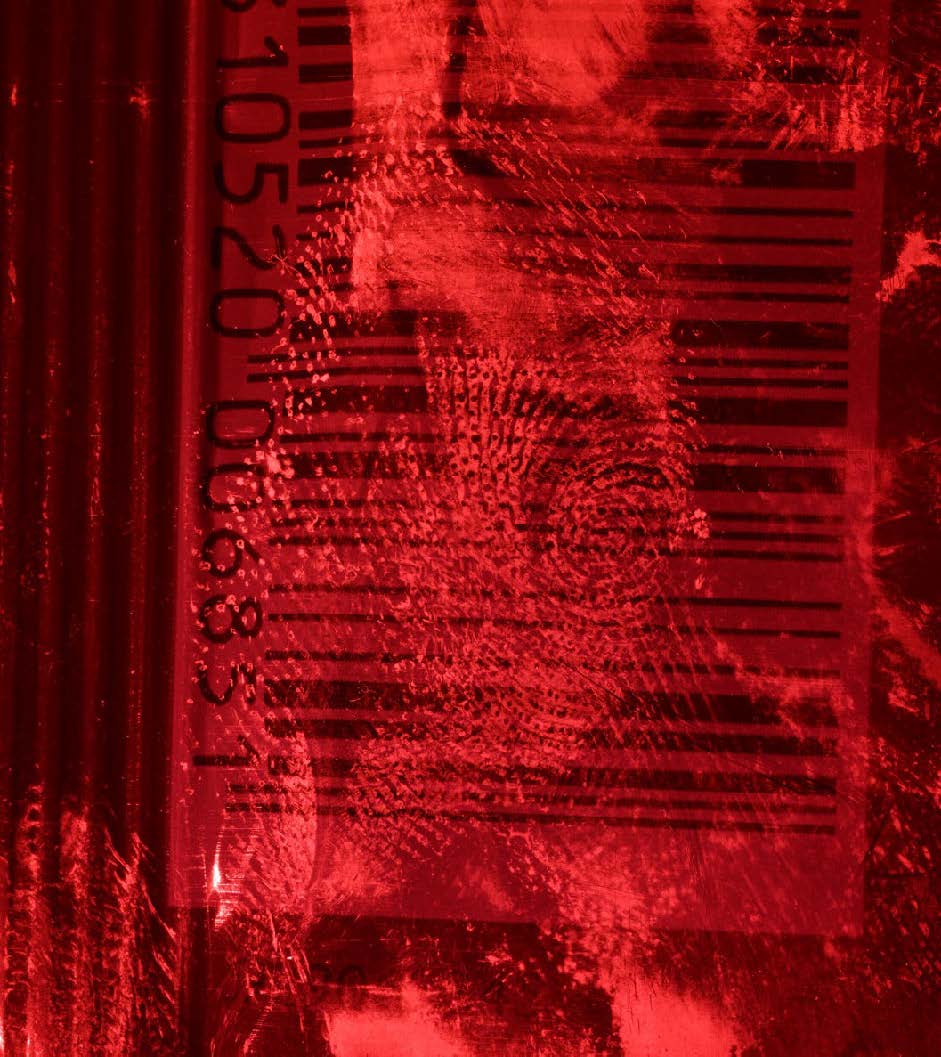
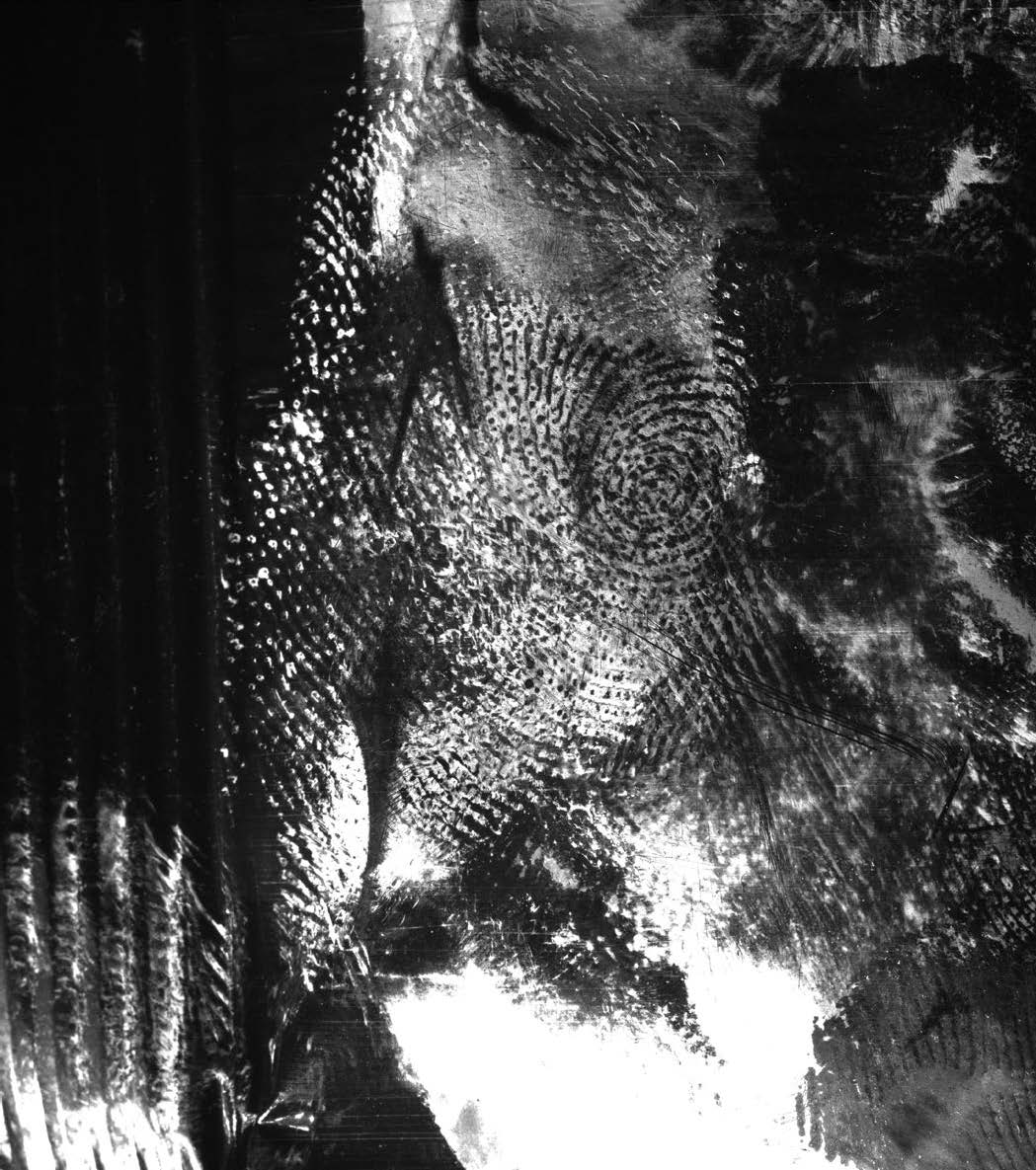
With LWRUV, the background is often still visible, and marks require more enhancements to achieve high contrast. In contrast, RUVIS reveals even faint or obscured ridge detail with minimal background interference, typically only requiring a simple inversion to achieve the highest contrast.
Longwave Reflected UV Photography (LWRUV) uses a less hazardous wavelength of 365nm. While LWRUV is a great technique, the primary difference between the two is the degree of background interference.
Products Featured
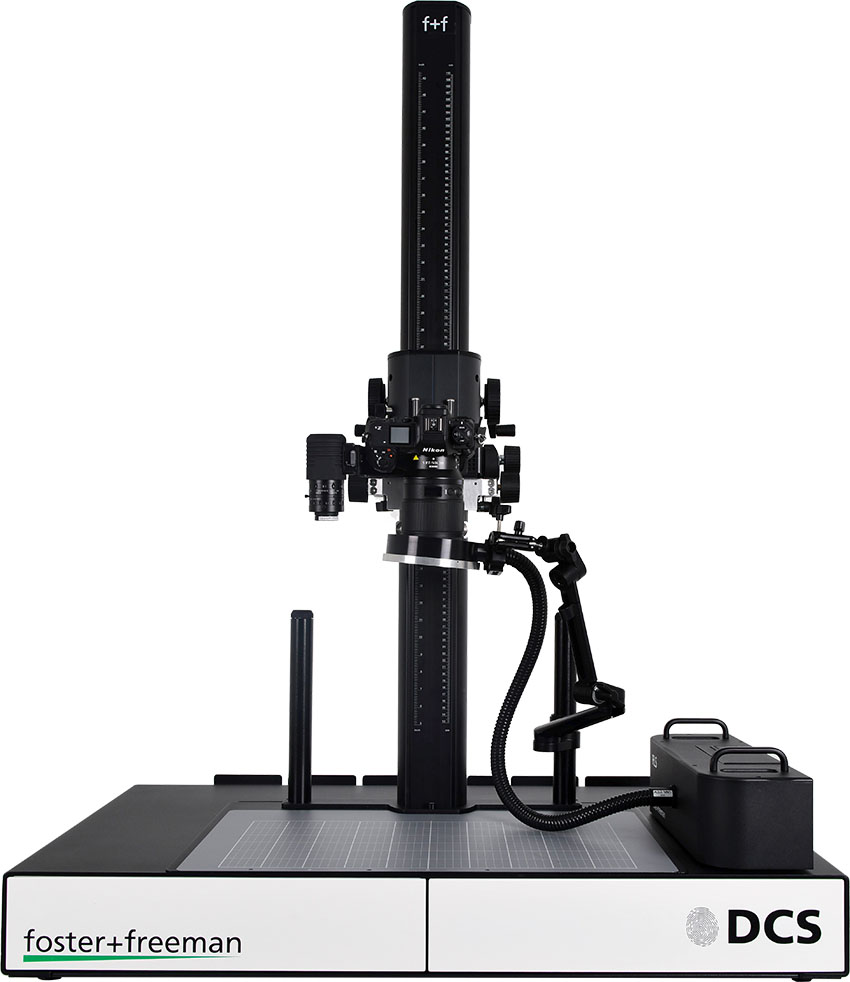
DCS®6 with RUVIS
Ten years since DCS took fingerprint imaging beyond the visible spectrum, the benchmark for fingerprint photography has been raised beyond expectations with the new DCS 6 workstation complete with RUVIS latent print capability.
More News

Leoni Mimnagh

Darren Corbett
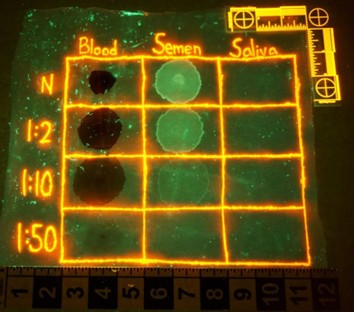
Recent AZDPS Study Validates the Crime-lite Auto for Advanced Serology Casework
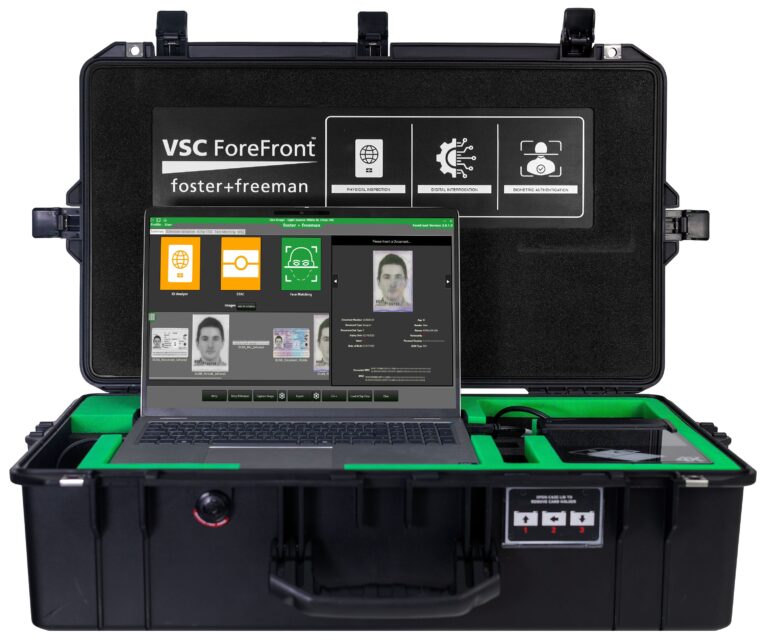
foster+freeman Launches VSC ForeFront®: Triple-Layer Identity Authentication for Frontline Operations

foster+freeman Challenge coin contest assets
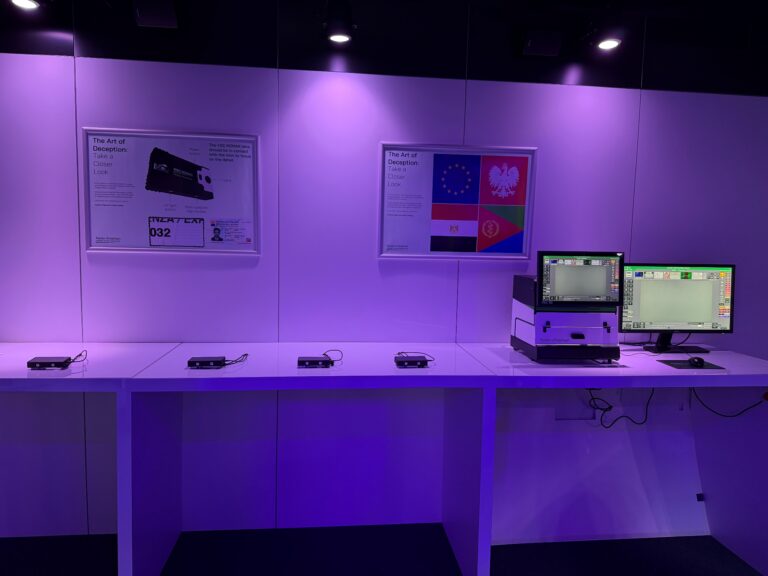
Security & Policing 2026: Supporting the JSaRC lmmersive Experience
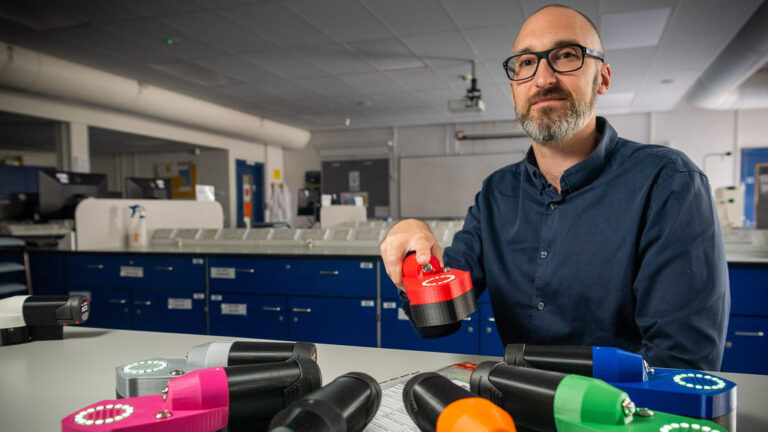
foster+freeman to Tackle Prison Drug Crisis with Launch of ContraSCAN® Detection Technology
Strengthening Forensic Science Capabilities in Bolivia: Foster+Freeman and HANSA Expand Strategic Partnership